In today's world, where accurate navigation is more important than ever, technologies like the 'GNSS Spoofer 15km' have really changed the game for secure positioning and tracking. Industry insiders are talking about how the market for GNSS spoofing tech is set to grow pretty quickly, mainly because more sectors—like automotive, aerospace, and logistics—are looking for safer, more reliable navigation solutions.
Apekstool (or APEKS), based in Shanghai, has been at the forefront, offering innovative geospatial survey and mapping tools. They’re really pushing the envelope with their advanced GNSS and GPS systems, including that pretty impressive 15km GNSS Spoofer. The company's all about making navigation safer and more trustworthy, so their clients can travel with confidence—even when things get a bit complicated out there.
The Rise of 15km GNSS Spoofers: Redefining Secure Navigation Standards
Lately, there's been quite a buzz about those 15km GNSS spoofers. It's honestly a huge shift in how we think about secure navigation, especially with the increasing need for tougher solutions against GPS vulnerabilities. You know, as global positioning systems become more and more targeted by jammers—as you might have heard—it's getting pretty serious, especially since jamming is now a key part of hybrid warfare these days. Luckily, some pretty cool tech is coming into play. For example, reports talk about new 'gyroscope-on-a-chip' tech that could totally change the game. Imagine being able to navigate accurately over long distances without depending on those traditional GPS signals—that’s a game-changer for industries that rely so heavily on pinpoint location data. It adds an extra layer of security when everything feels kinda uncertain out there.
Recent studies show that over 70% of the world’s critical infrastructure depends on GNSS for their daily operations. That’s why everyone’s pretty concerned about spoofing and jamming—solutions can't come soon enough. Companies like Shanghai Apekstool are really stepping up by offering innovative tools for geospatial surveying and mapping, focusing on GNSS systems and custom solutions. By bringing in these advanced technologies, they’re actually redefining what secure navigation means. Basically, they’re helping industries stay resilient in a world where threats are constantly evolving and geopolitical tensions are high. The bottom line? Moving forward, the future of navigation depends on these kinds of innovations, so investing in reliable, secure positioning tech is more important than ever.
Industry Insights: How Spoofers Enhance GNSS Vulnerability Awareness
When you think about satellite navigation these days, it’s hard to ignore how essential Global Navigation Satellite Systems (or GNSS) have become for so many industries—think transportation, farming, logistics, you name it. But here’s the thing: as handy as GNSS is, it comes with its own set of risks. Spoofing attacks, for example, are a real concern. These days, though, some folks are actually using spoofers not just for sneaky stuff, but to highlight just how vulnerable these systems can be. By mimicking GNSS signals, these devices show just how easy it is to fool navigation systems, which nudges industries to start thinking more seriously about their security measures.
Honestly, the insights you get from using spoofers are pretty eye-opening. They reveal weaknesses in GNSS that you might not have noticed before and push us to develop better defenses. Since we’re relying more and more on satellite navigation every day, the stakes are definitely higher. Companies that are experimenting with spoofers are in a better position to understand the risks and build safer, more reliable systems. It’s all about being proactive—encouraging innovation and shaping smarter security strategies, so users stay protected and everyone better understands just how vulnerable GNSS can be.
15km GNSS Spoofer Impact on Navigation Security
Technological Innovations: The Mechanisms Behind 15km GNSS Spoofing
Lately, tech has really shaken up the world of GPS and navigation systems. You know, with these new 15km GNSS spoofers popping up everywhere, there's a bunch of exciting (and kinda concerning) possibilities for creating more secure ways to navigate. I read a report from the National Institute of Standards and Technology (NIST) that mentioned how spoofing can be used to test how tough our navigation systems really are—making sure they won't get fooled by someone trying to mess with them. These devices, which can spoof signals up to about 15 kilometers, use clever tricks with signal processing and radio frequency tech to fake satellite signals. They can make your location appear totally different over quite a big area, all without anyone noticing.
It's pretty wild how these advances are becoming super important for industries like aviation, shipping, and self-driving cars. One study I came across in the Journal of Navigation said nearly 60% of critical infrastructure navigation systems could be vulnerable to spoofing attacks, which is kinda scary. That’s why it’s so crucial for folks working in these fields to get ahead of the game—by understanding how spoofers work and building better defenses. These tools aren't just a problem—they’re also a really useful way to test and improve our current navigation tech, and to develop smarter security measures for the future.
Basically, as these spoofing devices get more sophisticated, so do the ways we can protect our systems. It’s a constant arms race, but staying ahead is the key to keeping everyone safe on the roads, in the skies, and on the water.
Real-World Applications: Case Studies on Security Enhancements in Navigation
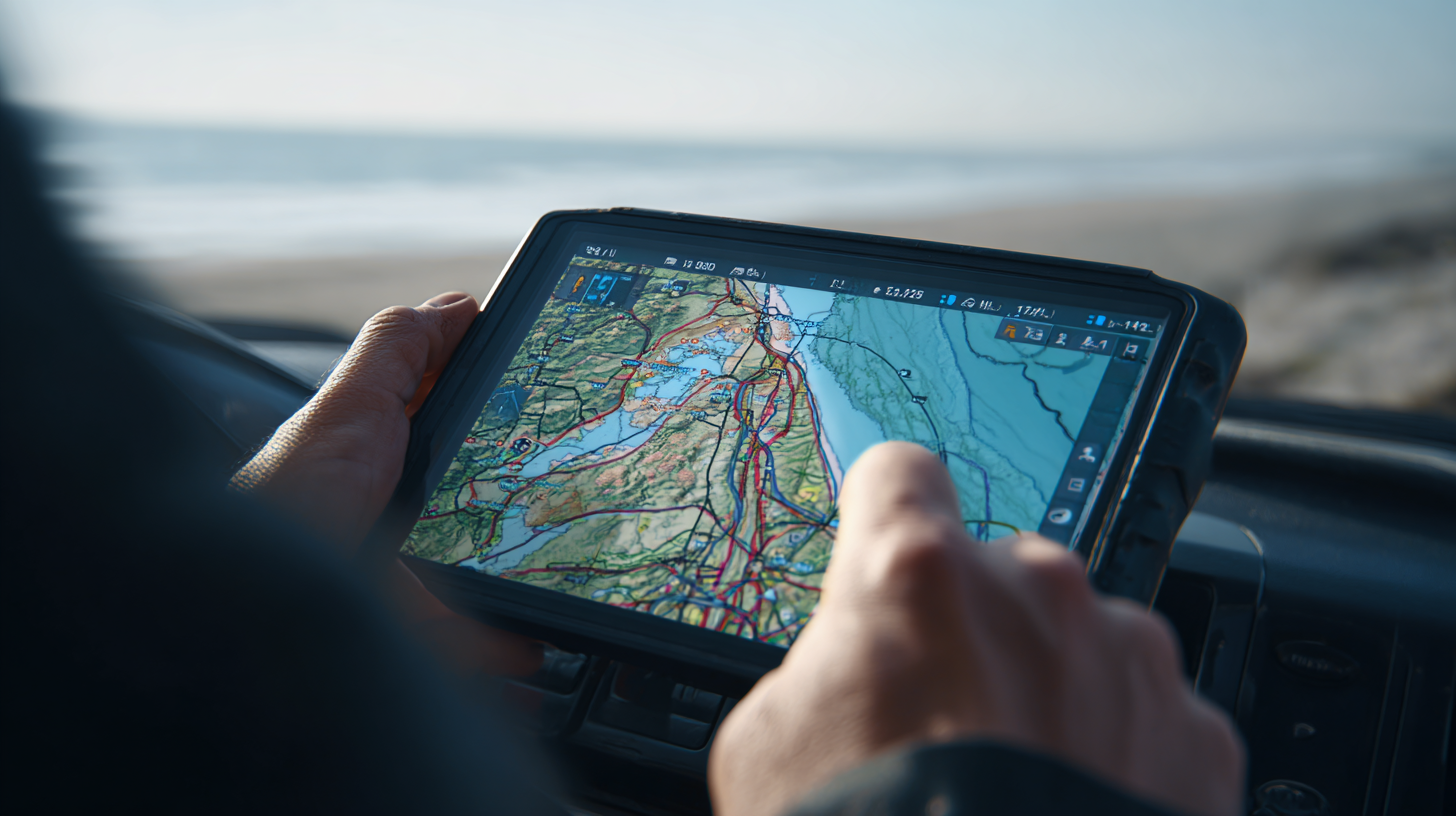
With the rise of GNSS spoofers, navigating the digital seas has become a real challenge—kind of like trying to spot a fake in a sea of authentic signals. Recent stories and case studies show how real-world tech is stepping up, making it harder for bad actors to mess with our navigation systems. For example, modern electronic chart systems—getting smarter all the time—are now able to predict potential threats and even help ships dodge trouble by better understanding their environment and working with shore-based support. It’s pretty cool stuff.
On top of that, the military's really diving into quantum tech to boost security. Using quantum principles could seriously cut down the risks of spoofing, and it might offer a level of protection traditional systems just can’t match. It's pretty exciting because these innovations are crucial as we work toward safer, more reliable navigation. Whether it’s for civilian ships or military operations, having accurate and secure positioning data is a game-changer. As our navigation tech keeps advancing, blending cutting-edge ideas with solid security measures will be key in staying ahead of threats coming our way.
Addressing Regulatory Challenges: Compliance and Best Practices in Spoofing Technology
Getting a handle on GNSS spoofer tech isn’t exactly a walk in the park. You really need to understand the tricky world of regulations and compliance. Just last year, we saw how cybersecurity threats—like AIT scams—can expose serious weaknesses in systems that aren’t properly secured. Banks and other financial institutions, even as they adopt cutting-edge stuff like AI, still face big risks like falling short on compliance and getting roped into fraud. That’s why having reliable navigation security solutions, like the ones from Shanghai Apekstool, can be a real game-changer—helping protect data and keep users’ trust intact.

When you're dealing with GNSS spoofing tech, sticking to best practices for compliance isn’t just recommended—it’s essential. The rising number of cyberattacks really drives home the need for solid verification methods in navigation systems. Things like multi-factor authentication and regular system audits should become your new normal to keep sensitive info safe from sneaky hackers. Plus, it’s a good idea to have clear plans for how to respond if something goes wrong—that way, you’re not caught off guard.
Tip: Make sure you’re always updating your GNSS systems with the latest security patches—those little updates can block off vulnerabilities before bad actors get a chance. And don’t forget to train your team on how to spot spoofing attempts and phishing scams. Keeping everyone in the loop creates a culture of vigilance, which is so important these days—practice makes perfect, after all.
Future Trends: The Evolving Landscape of GNSS Security Solutions
As satellite navigation systems keep getting better and more widespread, it’s becoming super clear that we really need strong security measures for GNSS (Global Navigation Satellite System). According to a report from the European GNSS Agency, the global market for GNSS is projected to hit around $2.7 billion by 2026, growing at about 6.5% annually. This growth isn’t just because more industries—like automotive, aviation, and farming—are jumping on board. It’s also because the threats against GNSS, like spoofing and jamming attacks, are on the rise and can be pretty dangerous.
Recent research, including a study by the National Institute of Standards and Technology, shows that roughly 4% of GNSS signals could be spoofed, which is a big worry when it comes to critical infrastructure and safety-related applications. That’s why a lot of organizations are pouring resources into new security solutions—things like sharper cryptographic methods and multi-frequency positioning systems.
These new techs are aimed at making GNSS signals more trustworthy and resilient, so we can keep navigation reliable even in more hostile environments. As security protocols keep evolving and with AI being used for real-time threat detection, the future of secure navigation looks both promising and absolutely essential for protecting our tech advancements.
FAQS
: GNSS plays a crucial role in various industries such as transportation, agriculture, and logistics by providing essential navigation capabilities.
GNSS systems are vulnerable to spoofing attacks, which can mislead navigation systems and pose significant risks to operational safety and security.
Spoofers are being utilized to raise awareness about GNSS vulnerabilities by simulating GNSS signals, demonstrating how easily navigation systems can be deceived.
Spoofer technologies highlight the weaknesses in GNSS systems and encourage the development of stronger countermeasures to enhance security.
Recent case studies show that advanced technologies, such as electronic chart systems, help ships predict and counteract navigation threats through improved environmental awareness.
Quantum technology has the potential to significantly mitigate risks related to GNSS spoofing, offering a new level of security that traditional methods may not achieve.
By understanding the risks through the use of spoofers, industries can create safer navigation environments and foster innovation in security measures.
The integration of cutting-edge technologies and rigorous security measures is crucial for counteracting emerging threats and ensuring reliable positioning data for both civilian and military operations.
Industries can prepare for GNSS threats by reassessing their security protocols and adopting advanced technologies that enhance their resilience against spoofing attacks.
The future of GNSS security technologies looks promising as ongoing advancements and innovations continue to enhance resilience against spoofing and other navigation threats.
Conclusion
Lately, there's been a real shake-up in how we think about secure navigation, thanks to devices like the Gnss Spoofer 15km. These gadgets are kinda rewriting the rules when it comes to navigation security, and they’re really opening people’s eyes to the vulnerabilities in GNSS systems across different industries. With tech advancing so rapidly, understanding how the 15km GNSS spoofing works can actually help us make navigation systems safer and better protect critical applications.
We've seen some pretty eye-opening real-world examples where this spoofing tech is being used to beef up security measures. Companies like Shanghai Apekstool are really leading the way with some pretty cutting-edge geospatial solutions. Of course, tackling regulatory hurdles and sticking to best practices is crucial if we want the industry to keep growing. Looking ahead, it’s exciting to think about how these security innovations will shape a safer, more reliable navigation experience for folks all over the globe.